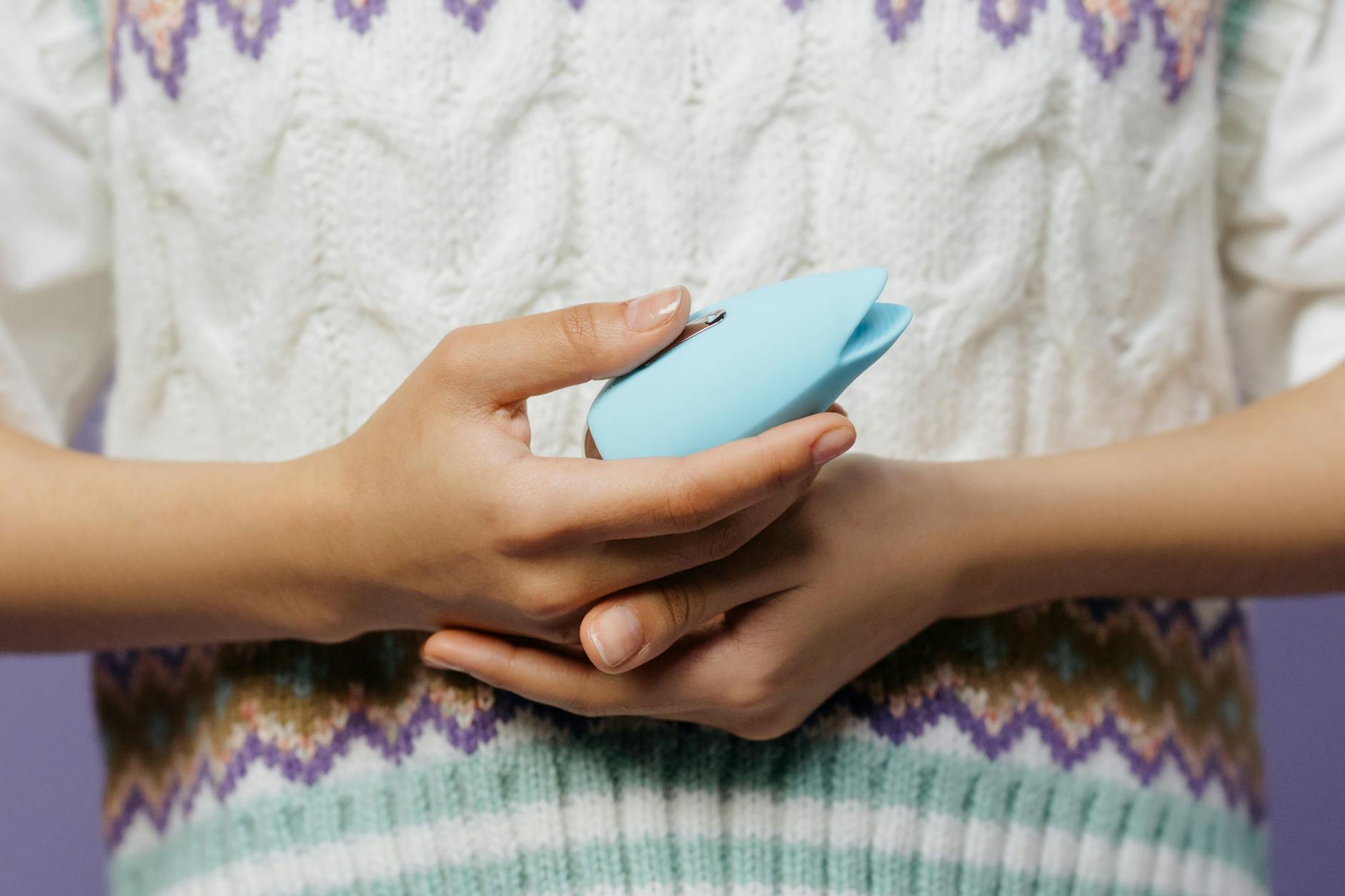
Here's the thing about slow arousal
Slow arousal is not broken arousal. It's also not something you need to "fix" or apologize for. Your nervous system simply takes longer to shift from off-duty mode into pleasure mode. That's neurological, not psychological. And once you understand how your body actually works, a lemon clitoral vibrator becomes less of a workaround and more of a direct line to sensation.
Most of the mainstream sex advice assumes a 10-minute warmup. If you're someone who needs 20, 30, or 40 minutes to feel genuinely interested, you're probably tired of feeling like something's wrong with you. It's not. You just need a different strategy.
Why slow arousal happens
There are roughly five reasons your body might take longer to heat up.
Nervous system type. Some people have naturally higher vagal tone, which means their parasympathetic nervous system (the one responsible for rest and relaxation) is dominant. Shifting into sympathetic activation (arousal, excitement, pleasure) takes longer. This isn't laziness. It's your baseline.
Attention and distraction. Arousal requires mental space. If you're carrying stress, working through the day's inbox, or managing a partner's needs in your head, your nervous system simply won't cooperate. Arousal is not willpower. It's capacity.
Hormonal cycling. If you menstruate, you might notice that arousal speed varies wildly across your cycle. Luteal phase (the two weeks before your period) often means slower buildup. This is temporary and predictable once you track it.
Medication and health factors. Antidepressants, antihistamines, blood pressure meds, and thyroid conditions can all dampen responsiveness. So can low iron, low thyroid function, and chronic inflammation. If slowness is new, it's worth checking with your doctor.
Relationship and emotional context. If you're feeling disconnected, resentful, or unsafe with a partner, arousal won't happen quickly no matter what tool you use. Pleasure requires some degree of trust and presence.
Why lemon vibrators work better for slower bodies
Unlike wand vibrators, which rely on broad-surface rumbling, a lemon clitoral vibrator uses air-suction technology. That means it stimulates the entire clitoral structure (which extends internally, far deeper than most people realize) without requiring rapid muscular engagement from your pelvic floor.
For slow-to-arouse bodies, this matters because it does the work for you. You don't have to "get there" first. The lemon vibrator creates sensation that your nervous system reads as legitimate arousal, which then triggers the cascade of blood flow and hormonal shifts that make you feel actually turned on. It's feedback loop activation instead of willpower.
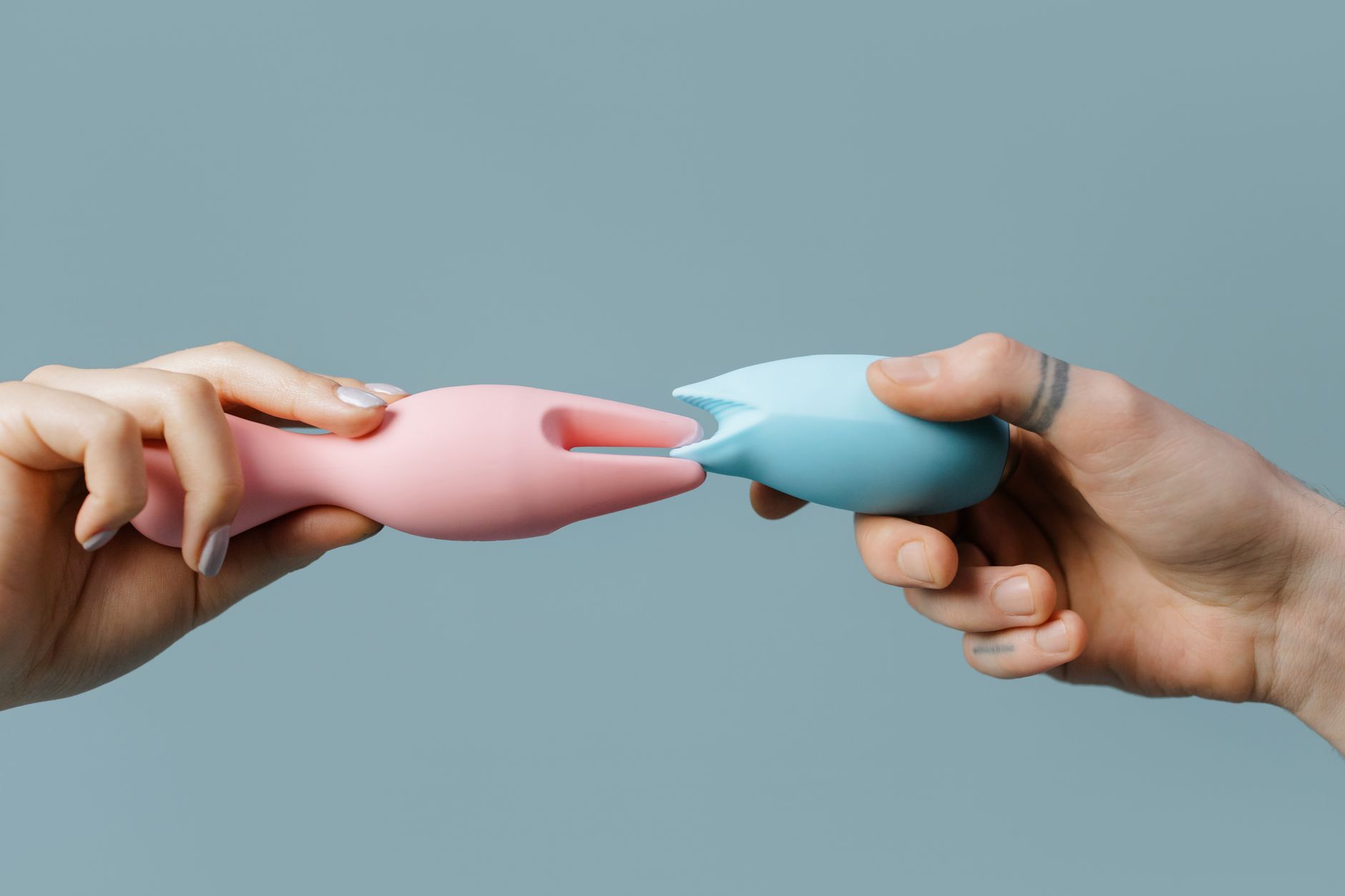
Photo by cottonbro studio on Pexels
The suction mechanism also means you don't need to build intensity gradually. Start at a lower setting and stay there. Your body will respond without the pressure to accelerate that wand vibrators often demand.
The timing strategy that actually works
If you take longer to get turned on, timing is not about "how long" but "when."
Build a longer setup window. Instead of trying to compress arousal into 10 minutes before sex, start 30-45 minutes earlier. This doesn't mean you need to be doing anything sexual the whole time. It means shifting your nervous system into a lower-stress state. Put your phone away. Dim the lights. Move your body gently. Listen to music that makes you feel something. Shower. Change into clothes that feel good.
This is not foreplay. This is nervous system priming.
Separate touch from genital touch. Most slow-arousers report that direct clitoral stimulation feels numb or uncomfortable until they're already somewhat aroused. So start elsewhere. Touch your neck, your inner wrists, your breasts, your hip bones. Let sensation build in non-genital areas first. This activates arousal circuits without forcing the clitoris to perform on command.
Introduce the lemon vibrator when you feel a shift, not when you think you should. That shift might be butterflies, warmth in your chest, or just a sense that you're less in your head. Not before. This is where impatience kills the whole thing. Wait for the signal.
Start at the lowest setting. The lemon vibrator's strength is that it works at lower intensities than most toys. Use settings 1-2 initially. Let your body adjust to the sensation. Speed up only if you want to, not because you think you should.
Positioning for maximum sensation
If arousal takes time, your position matters more than you think.
Lying on your back with a pillow under your hips angles the clitoris toward the toy and lifts your pelvis slightly, which changes the angle of blood flow. For slow arousers, this small shift can mean the difference between numb and responsive.
Alternatively, some people find that sitting upright with legs extended gives them more control and more feedback from their body. You can see your own response, which can actually help your nervous system believe that arousal is happening.
If you're with a partner, lying on your side facing them allows for touch and presence simultaneously. Your partner's hand on your chest or your face while you use the toy creates a dual-input situation that can accelerate the nervous system shift.
The common mistake is staying in the same position you'd use for partnered sex. That position often works against slow arousal because it sends your body mixed signals. Pick a position just for you and your toy. Your nervous system will thank you.
The mental piece (it's not fluff)
Here's what most guides skip: your thoughts matter just as much as your settings.
If you're using the lemon vibrator while thinking "I should be aroused by now" or "Why isn't this working faster," your nervous system reads that as threat. Performance pressure literally constricts blood vessels. You'll feel even less.
Instead, approach solo time with a lemon vibrator as exploration, not as a goal. You're not trying to finish or prove anything. You're learning what feels good at lower intensities. Some nights that means you'll orgasm easily. Other nights you'll feel sensation without climax, and that's still a win because it's proof your body is responding.
If you're with a partner, communicate directly: "My arousal takes longer. That's normal for me. I need about 30 minutes of connection before genital touch feels good." Most partners respond well to specificity. "I take forever to get turned on" is vague and shaming. "I respond best when we have at least 30 minutes and I start with non-genital touch" is information they can actually work with.
When to add the lemon vibrator to partnered sex
This is where slow arousal and partnerships get tricky.
If your partner is aroused in 5 minutes and you need 30, using the lemon vibrator alone first (during that 20-minute gap) solves the mismatch. You can bring yourself to a state of arousal where partnered sex then feels mutual rather than performative.
Alternatively, you can use the lemon vibrator during partnered sex itself. Many slow-to-arouse people find that being stimulated with a toy while a partner is inside them creates the dual sensation needed to tip into orgasm. The toy handles the clitoral piece while penetration provides internal sensation and presence.
One more option: start your partnered session with mutual toy use. Both of you using devices, side by side, removes the pressure that often slows arousal. You're not performing for each other. You're both in your own body.
Tracking what actually works for you
Slow arousal is individual. What works for someone else might not work for you. So track it.
Keep a simple note on your phone: time of day, where you are in your cycle, how stressed you were, how long the setup took, what worked. After three weeks you'll see patterns. You might notice that morning arousal is faster than evening, or that certain positions accelerate things, or that 15 minutes of music is your magic number.
That's not overthinking. That's honoring how your body actually works.
People also ask
How long should arousal actually take?
Anywhere from 3 to 45 minutes is normal. The idea that "everyone should be ready in 10 minutes" is marketing, not biology. Your timeline is yours. What matters is that you're not trying to rush it.
Will a lemon vibrator make me cum faster?
Possibly. Air-suction toys work well for many people specifically because they engage sensation without requiring you to be already aroused. But "faster" isn't always the goal. Sometimes the point is to feel sensation at all. If you've never used a lemon clitoral vibrator, focus on whether it feels different, not whether it rushes the timeline.
Is slow arousal a sign of low libido?
No. Libido (desire) and arousal speed (how fast your body responds to stimulation) are separate systems. You can have high libido and slow arousal. You can have low desire and fast physical response. They're not the same thing. If you want sex but your body takes time to show up, that's slow arousal. That's not broken.
What if I still feel numb even with the lemon vibrator?
Check your foundation first: are you stressed? Dehydrated? On medications that affect sensation? Is there emotional disconnection happening? Sometimes numbness is not about the toy. It's about what's happening in your nervous system or your relationship. If you've ruled those out and numbness persists, talk to a provider. Reduced sensation can sometimes signal something worth investigating medically.
Can I use the lemon vibrator if I'm on antidepressants?
Yes. Many people on SSRIs find that lemon clitoral vibrators actually help because the suction mechanism bypasses some of the numbing that medication can cause. That said, if medication is significantly dampening sensation, talk to your doctor. Sometimes adjusting timing, dose, or type can help. A toy can complement treatment, not replace it.
How do I talk to my partner about needing more time?
Be specific and unemotional: "I need about X minutes of non-genital touch before genital touch feels good. Can we build that in?" Avoid "I'm broken" or "I'm sorry I take so long." You're not apologizing. You're giving information. Most partners are relieved to have a clear roadmap instead of guessing.
Slow arousal is not a limitation. It's just a different operating system. Once you understand it, you can work with it instead of against it. A lemon clitoral vibrator becomes less of a band-aid and more of a tool that actually fits how your body works. The goal isn't to become faster. It's to stop fighting yourself and start trusting the timeline your nervous system needs.
If you're curious about exploring with a lemon vibrator for the first time, or if you want to understand more about how different bodies respond to stimulation, our guide to buying your first device covers the basics. And if you're navigating slow arousal within a relationship, remember: this is worth talking about. Your pleasure matters, and your timeline is valid.